From Frankenstein to Arduino-Powered Robots
🎧 Listen to this article
Also available on: Apple Podcasts · Spotify · YouTube · 小宇宙
Duration: 24 minutes
Editor’s Words
Howdy! We’re back!
Hope you all enjoyed a wonderful summer break with outdoor activities, adventure trips, plenty of reading, and time with family. We watched many games (World Cup), played many games (badminton), and walked many miles (TMB). Summer always seems too short.
The Sunday Blender continues from the last issue on July 5. If you know someone’s kids who are also curious and into reading, please share this weekly newsletter with him/her. Much appreciated.
Tech

Apple announced two new desktop computers on August 25, with no launch event, just a press release. The Mac mini gets a new chip called M6, which has two neural engines where earlier Apple chips had one. The Mac Studio gets the M5 Ultra and can hold up to 512 gigabytes of memory, roughly thirty times what an ordinary laptop has. Both ship on September 22. Prices rose again: the Mac mini started the year at $599 and now starts at $899, because the memory chips inside have become scarce and expensive. Apple says both machines are up to four times faster at AI work than the ones they replace. Most AI today runs in giant data centres, so your question travels there and back. Apple is betting people will want to run AI models on the machine in front of them instead, where the work stays private and there is no monthly fee.
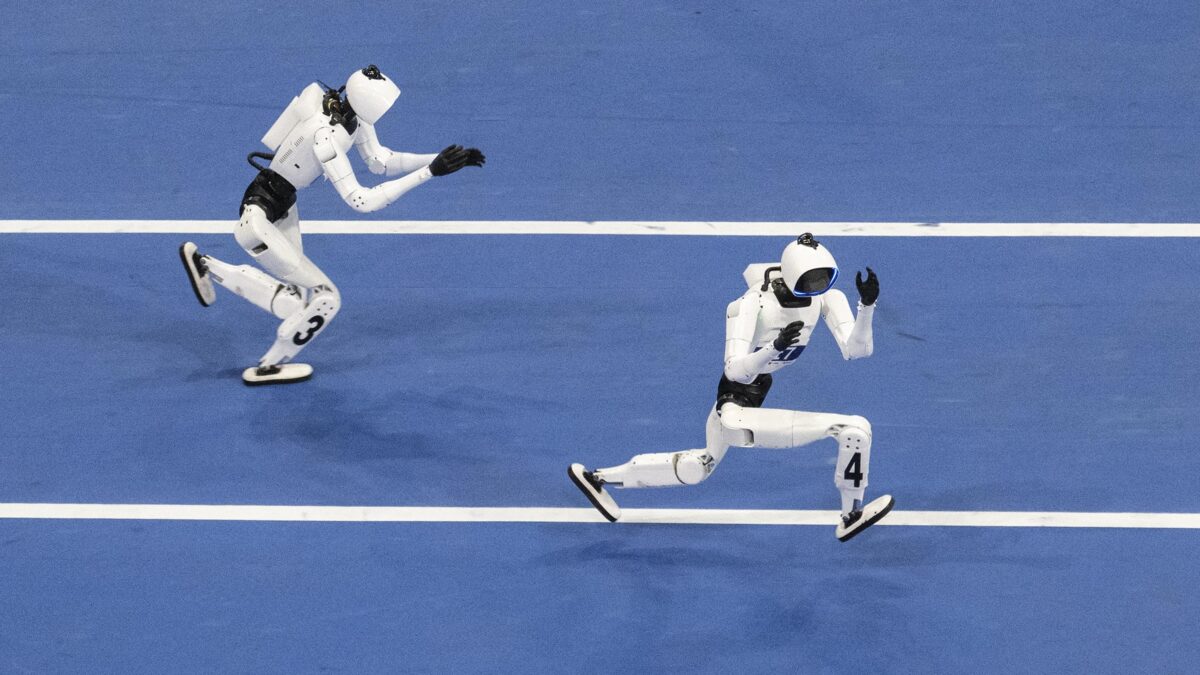
A robot called Tiangong Ultra ran 100 metres in 9.39 seconds at the World Humanoid Robot Games in Beijing on August 22, faster than Usain Bolt’s human world record of 9.58 seconds. Three days later it cut its own time to 8.86 seconds. At last year’s first games, the fastest 100 metres took 21.50 seconds, so the robots more than halved their time in twelve months. Another robot cleared 2.88 metres in a standing high jump, well past the human record of 2.45 metres set by Javier Sotomayor in 1993. Several robots shot past the finish line into a padded blue wall, and staff carried them off the track on stretchers. More than 2,000 robots from 666 teams in 16 countries competed in 51 events over five days, including football, table tennis and dancing.
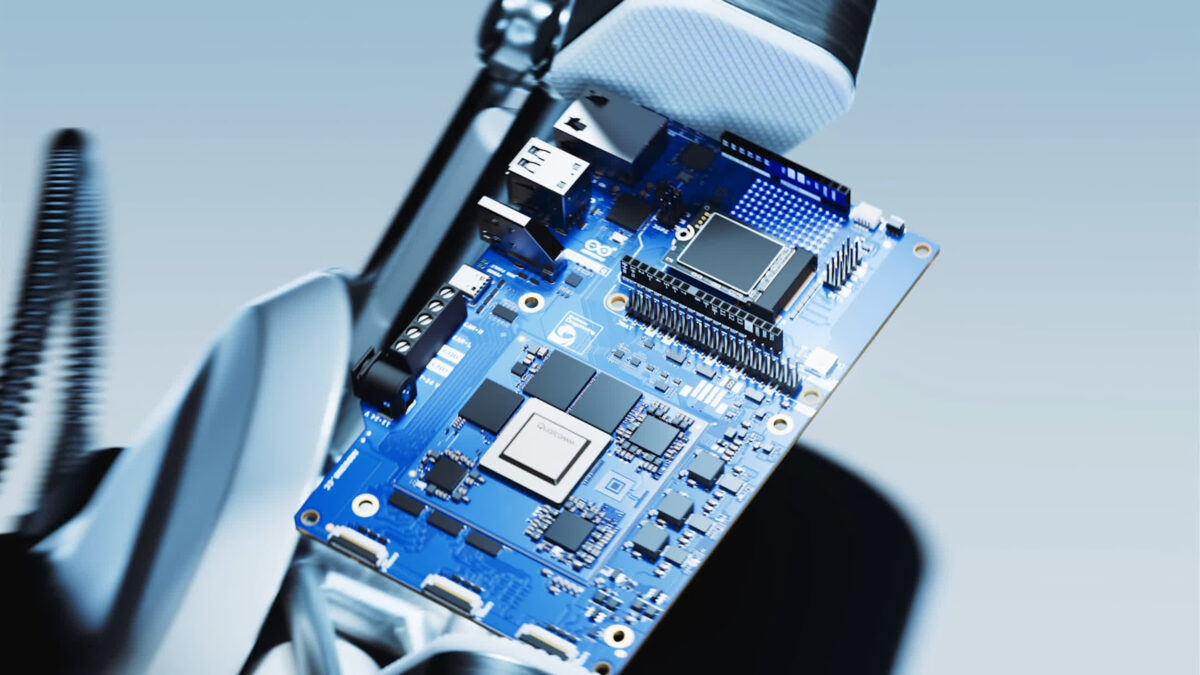
Arduino makes small circuit boards that hobbyists and students use to build robots and gadgets, and about 33 million people use them. Last year the chip company Qualcomm bought Arduino. On August 25 Arduino opened orders for a new board called the Ventuno Q, which costs $299; Ventuno is Italian for twenty-one. It has two brains. One runs Linux and can run a language model like the ones behind chatbots, along with speech recognition and object detection, entirely on the board with no internet connection. The other is a much simpler chip that controls motors and reacts in under a thousandth of a second. The board has 16 gigabytes of memory, three camera inputs and connections for wheels and arms. Arduino built it for robots that can see something, work out what to do about it, and move, without asking a data centre first.
Global

On the morning of August 26, a wall of ice, rock and mud swept down a river valley on the border between Nepal and Tibet, in China. It travelled about 100 kilometres, burying towns, wiping out bridges and cutting the only highway between the two countries. At least 675 people were killed and about 3,000 are still missing, including hundreds of foreign visitors. It began high on Langtang Lirung, a 7,200-metre peak, where part of the rock face beneath a glacier gave way and took the glacier down with it. The falling mass hit the river below hard enough to register on earthquake sensors. Scientists suspect permafrost, the ground that stays frozen all year and works like glue holding shattered mountain rock together. As the air warms, that glue thaws and steep slopes come loose. Researchers say warming makes such collapses more likely, but have not confirmed it caused this one. Two new lakes have formed behind the debris, and rescue teams are watching them in case they burst.

Malaria is caused by a parasite that spreads through the bite of Anopheles mosquitoes. It kills hundreds of thousands of people a year, almost all of them in Africa, and it is not normally found in Germany. In July, six workers at Frankfurt Airport caught it anyway. Two of them have died. Health officials think one or more infected mosquitoes flew in on a plane from a country where malaria is common, then bit people working on the ground. Doctors did not suspect malaria at first, because none of the patients had travelled anywhere, and that delay made the illness more dangerous. Officials say the risk to people living in Frankfurt is very low, because malaria does not pass from person to person.
Economy & Finance
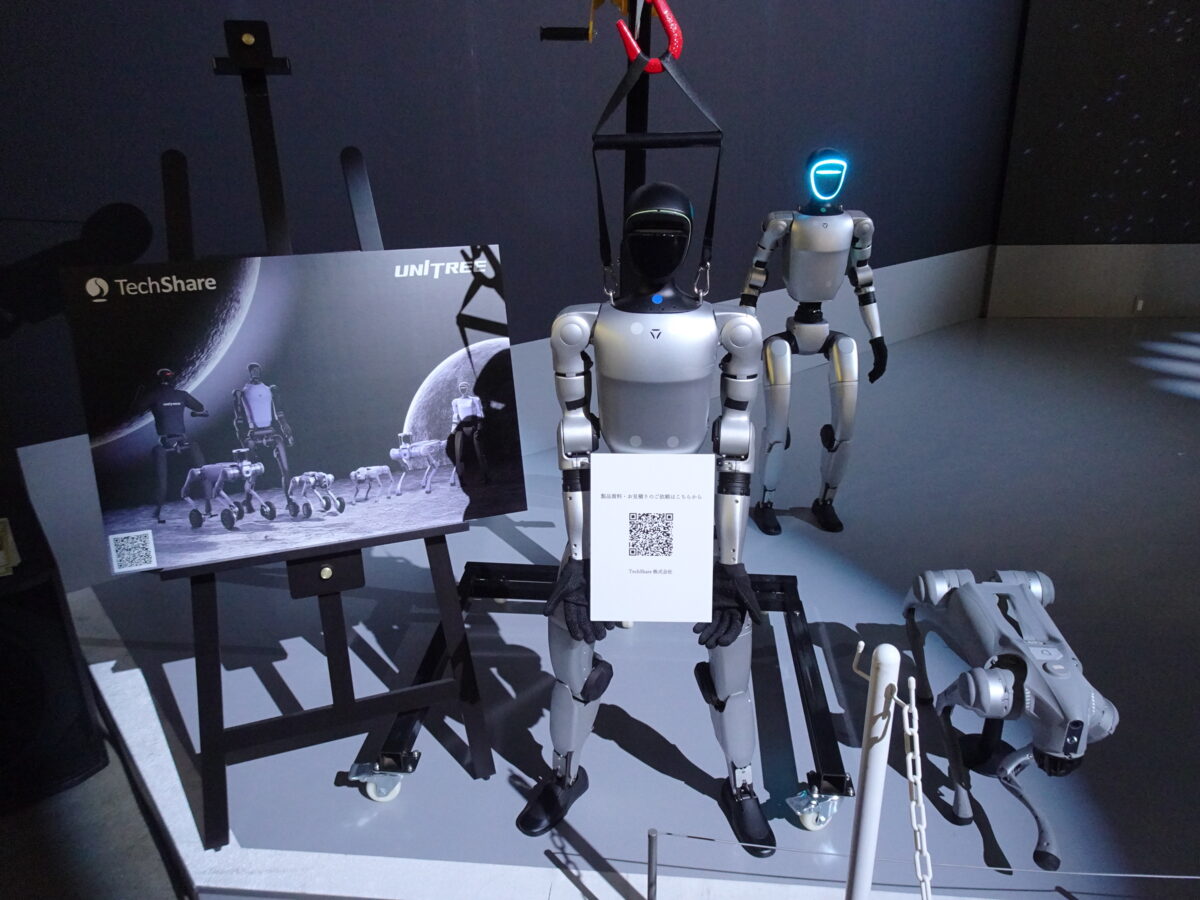
Unitree, the Chinese company whose robot dogs and backflipping humanoids fill social media, sold shares to the public for the first time on August 19. The shares were priced at 150.80 yuan each, and nearly 10 million accounts applied for them. On the first day of trading the price opened at 1,100 yuan, more than seven times higher. Then it fell for five days in a row, down to 571 yuan, erasing about 200 billion yuan — roughly $30 billion — of the company’s value. Investors started asking what Unitree actually sells. Its profit for the first three months of 2026 fell 53 per cent, and most of its humanoid robots go to schools and research labs rather than factories. At the robot games in Beijing the same week, a Unitree robot finished last in its opening 100-metre heat.
Nature & Environment
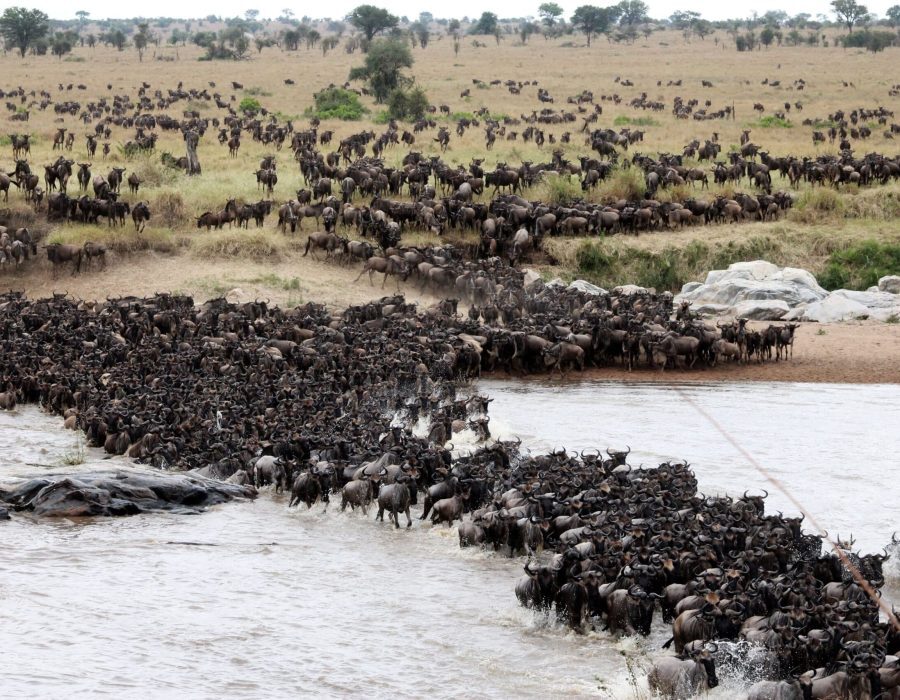
Every year about two million animals walk a giant circle through Tanzania and Kenya. Most of them are wildebeest, along with hundreds of thousands of zebras and gazelles. Nobody tells them when to go. They follow the rain, because rain means fresh grass, so the route is roughly the same every year, but the timing never is. The hardest part comes in August, when the herds reach the Mara River. Crocodiles live in it. The animals gather on the bank and wait, sometimes for hours, sometimes for days, until one wildebeest jumps in, and then thousands follow at once. Around 500,000 calves are born every year in the south of the Serengeti, about 8,000 a day, nearly all within the same three or four weeks. Lions and hyenas cannot eat 8,000 calves in a day, so arriving in a crowd is what keeps most of them alive. By the following August, those calves are strong enough to cross the river themselves.
Science
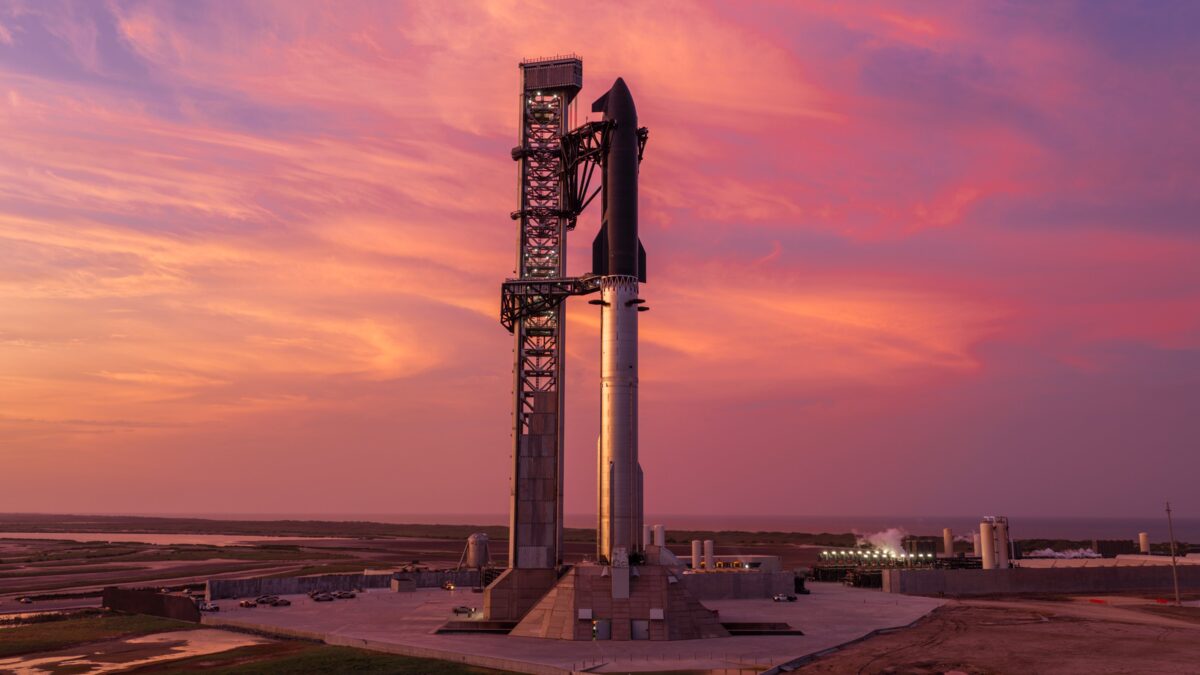
SpaceX rockets are built in two parts. The bottom part, called the booster, does the hard work of lifting off, then separates, falls back and lands upright, ready to be used again. One of those boosters, B1067, flew for the 37th time on August 25, carrying 29 satellites from Florida and touching down on a ship in the Atlantic eight and a half minutes later. When it was built in 2021, SpaceX hoped it might manage ten flights. The record for reusing a spacecraft belongs to the Space Shuttle Discovery, which flew 39 missions between 1984 and 2011, a career of nearly 27 years. B1067 has reached 37 in five. It needs two more flights to take the record, and at SpaceX’s current rate of roughly one launch every two or three days, that could happen before the end of September.
Math
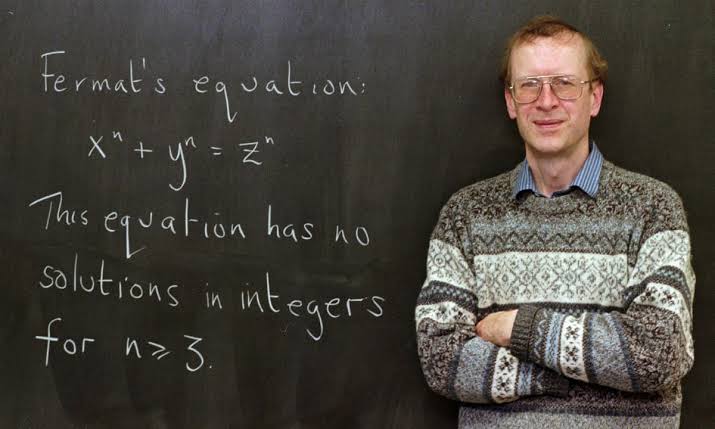
In 1637 a French lawyer named Pierre de Fermat scribbled a note in the margin of a maths book. He claimed that while 3² + 4² = 5² works, no whole numbers fit the same pattern with cubes or any higher power. He added that he had a proof, but the margin was too small to write it down. What he left behind became the most famous unsolved puzzle in mathematics. Anyone could understand the question, and for more than 350 years nobody could find the proof. In the early 1960s a ten-year-old boy called Andrew Wiles read about the problem in a library book in Cambridge, England, and decided he would be the one to solve it. He became a mathematician, and in 1986 he saw a way in. He worked on it alone in his attic for seven years and told almost nobody. He announced it in 1993 in Cambridge, the town where he had first read about the problem. A hole was found in the proof, and he spent another year repairing it with a former student, Richard Taylor, before it was published and accepted in 1995. Fermat’s Last Theorem was solved. Wiles had been working towards that moment for more than thirty years.
Lifestyle, Entertainment & Culture

Spider-Man: Brand New Day, starring Tom Holland and Zendaya, opened in cinemas on July 31 and cost about $225 million to make. Critics gave it 89 per cent on Rotten Tomatoes, the lowest score of Tom Holland’s four Spider-Man films. Audiences rated it 98 per cent, the highest of any solo Spider-Man film ever made. Its first weekend brought in $360 million in the United States and Canada, more than any film has ever taken in three days. It has since made $2.22 billion around the world, the third-biggest worldwide total in film history, and it has finished first at the box office four weekends in a row. In the United States and Canada it has made $858.4 million, which last week pushed it past Avengers: Endgame into second place there, behind only Star Wars: The Force Awakens at $936.6 million.

Black Myth: Wukong came out in 2024 and became the first Chinese video game to be a global blockbuster, built around the Monkey King from the novel Journey to the West. On August 20 its makers, Game Science, put out fifteen minutes of gameplay from their next game. It is called Black Myth: Zhong Kui, after a demon hunter from Chinese folklore whose picture people traditionally hang on their doors at Lunar New Year to keep evil spirits away. The new hero fights with a sword rather than the Monkey King’s staff, coats his blade in fire, and throws paper charms. The video passed a million views in a day, and players in China and abroad compared it to a Netflix film rather than to another game. Game Science has also said it will not use AI to design the game or build its artwork.

Yayoi Kusama, the Japanese artist known for covering almost everything she made in polka dots, died in a Tokyo hospital on August 14. She was 97. Kusama grew up in Matsumoto, where her parents ran a plant nursery, and from about the age of 10 she saw dots and patterns spreading across everything in front of her. She drew what she saw. Her family wanted her to marry rather than paint, so in 1958 she moved to New York on her own, one of the first Japanese women to go there for art. She returned to Japan in 1973 and spent the rest of her life living beside a hospital in Tokyo, working in a studio across the street. Her spotted pumpkins and mirrored rooms, which make a small space look endless, drew queues around the world. Her studio said she was still painting in her final days.
Sports
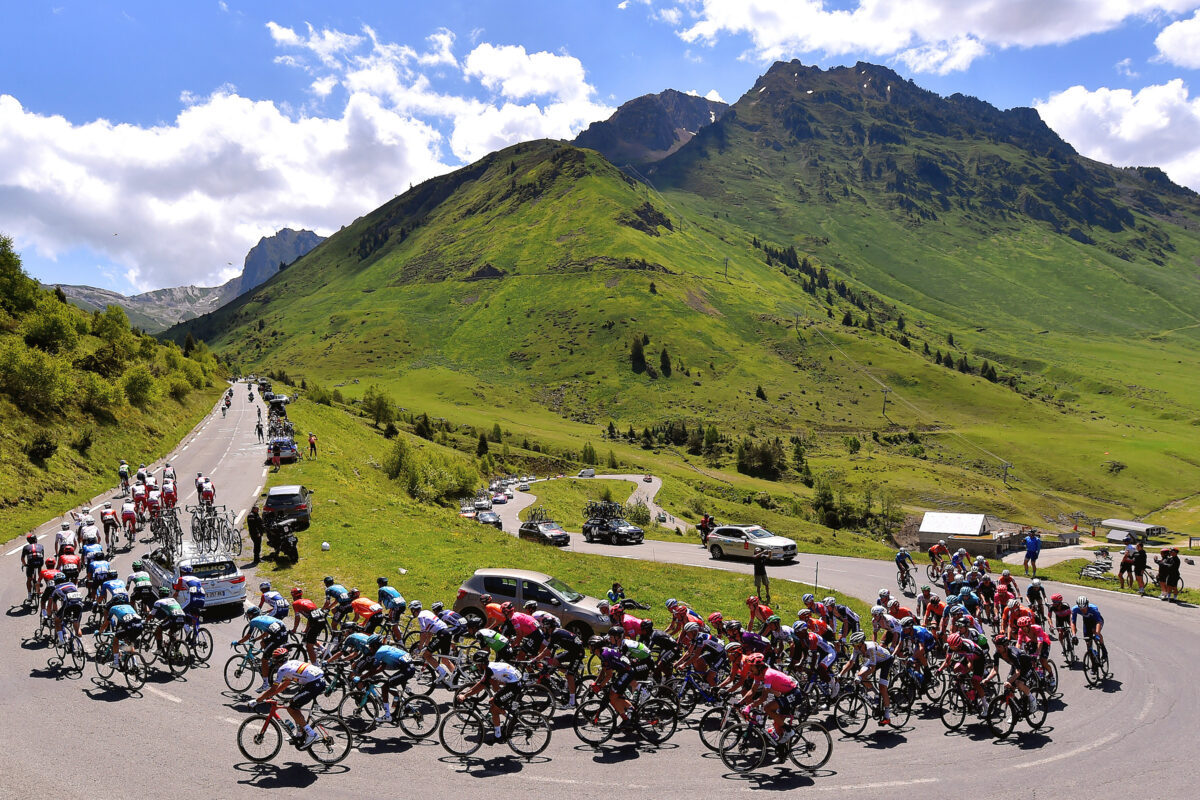
[Cycling] Cycling has three big three-week races: the Tour de France, the Giro d’Italia in Italy, and the Vuelta a España in Spain. Slovenia’s superstar Tadej Pogačar has won five Tours and a Giro, and came to Spain this month for the one he is missing. Only eight riders have ever won all three including Jonas Vingegaard from Denmark, Pogačar’s greatest rival. Pogacar took the lead on day one in Monaco and kept it for seven stages. On stage 4 he attacked in the mountains of Andorra and rode the last 50 kilometres alone, building a lead of three minutes and 21 seconds. No rider has led the Vuelta from the first stage to the last since Tony Rominger in 1994. On Saturday, with 32 kilometres to go in stage 8, Pogačar went down in a crash. He hurt his shoulder, cut his face, and left in an ambulance with his arm in a sling. It was the first Grand Tour he had ever quit.
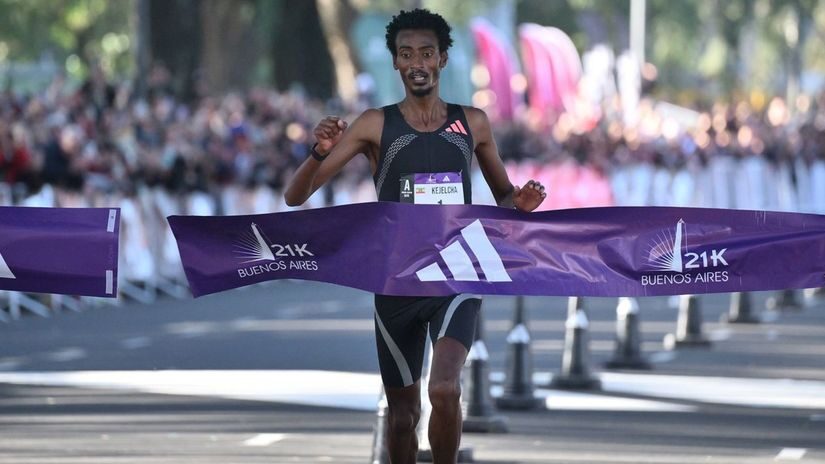
[Marathon] Yomif Kejelcha of Ethiopia set a world record for the half marathon, running the 21.1 kilometres in 56 minutes and 51 seconds in Buenos Aires on August 23. That works out to 2 minutes and 42 seconds for every kilometre, held without a break for the whole race. He broke away from the other runners after about seven kilometres and ran most of the second half alone, finishing two and a half minutes ahead of the man in second place. The old record of 57:20 belonged to Jacob Kiplimo of Uganda, and before that it had belonged to Kejelcha himself, who set it in Valencia in 2024. Kejelcha, who is 29, also holds the world record for 10 kilometres. World Athletics still has to check and approve the time before it counts officially.
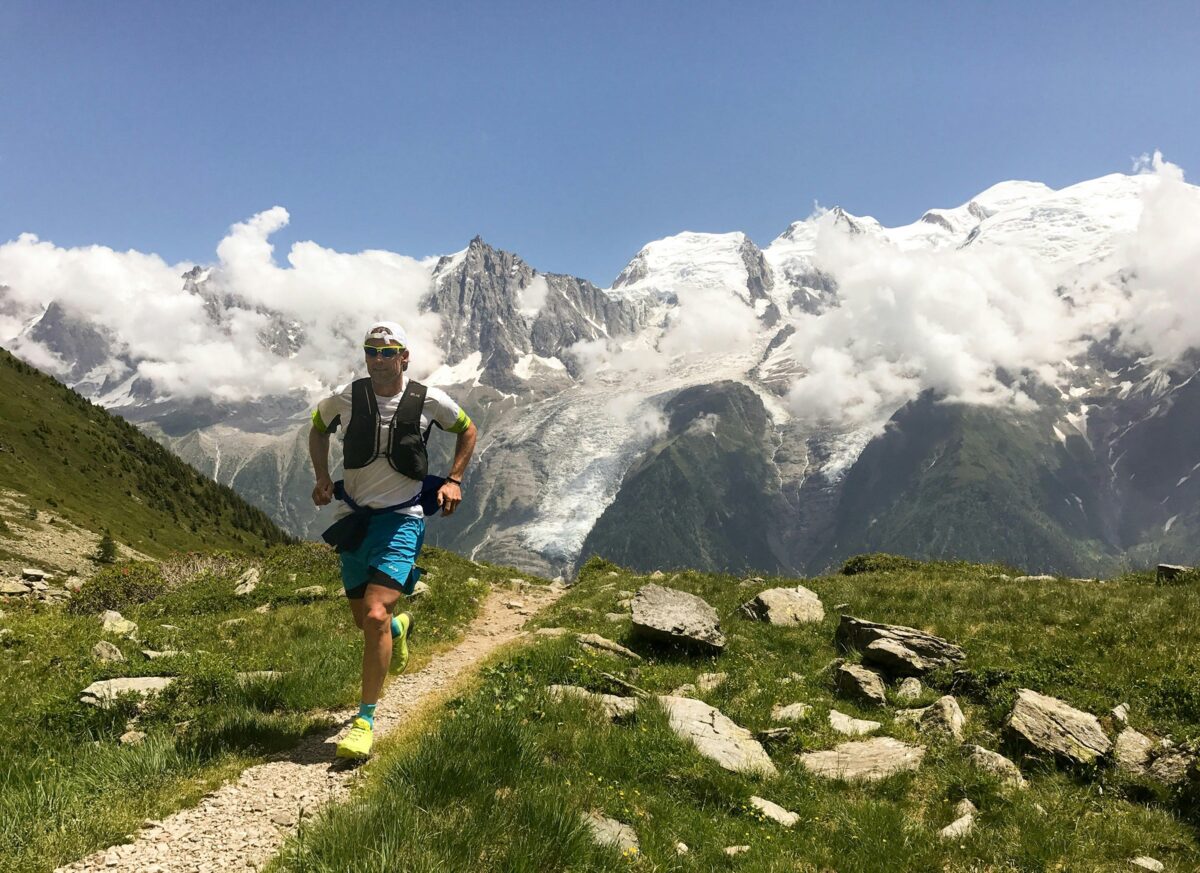
[Trail Running] The Ultra-Trail du Mont-Blanc (UTMB) starts and finishes in Chamonix, the French town at the foot of Mont Blanc and the capital of outdoor sport. Runners loop around the mountain through France, Italy and Switzerland, covering 173 kilometres and climbing 9,900 metres, more than the height of Everest from sea level. Michel and Catherine Poletti began the race in 2003 with 711 runners; this year 2,407 started, and it is now trail running’s biggest race. Thunderstorms delayed the start by two hours. Ben Dhiman of the United States led from 36 kilometres and won in 18 hours 16 minutes, and for the first time three men finished under 19 hours. Second place came down to a sprint through the streets of Chamonix, decided by 46 seconds. Blandine L’Hirondel of France won the women’s race in 21 hours 54 minutes after falling and limping down the final descent. She is only the second woman to win all three of the week’s main races: OCC, from Orsières through Champex to Chamonix; CCC, from Courmayeur to Champex to Chamonix; and UTMB.

[Badminton] Badminton’s World Championships were held in New Delhi from August 17 to 23, the first time India has hosted them in 17 years. The sport is usually dominated by China, Korea, Japan and Indonesia; before this year France had never won gold at the tournament. On the final Sunday it won two. Thom Gicquel and Delphine Delrue beat the top-seeded Chinese pair 22-20, 19-21, 21-15 to take the mixed doubles, the first European win in that event in 17 years. Later the same day, 21-year-old Alex Lanier beat Japan’s Kodai Naraoka 21-11, 21-11 in under 50 minutes to become the first French men’s singles champion. An Seyoung of Korea won the women’s singles without losing a game all week. China has won at least one title at every World Championships since it first entered in 1983. This year the streak survived only in the last match, when Liang Weikeng and Wang Chang took the men’s doubles. It was China’s only gold, alongside two silvers.

[Snooker] Snooker was invented by British army officers in India in the 1870s and has been dominated by British players for most of its history. At the Wuhan Open in China, which finished on Saturday, three of the four semi-finalists were Chinese, and they were born in three different decades: Xiao Guodong in the 1980s, Zhao Xintong in the 1990s and Chang Bingyu in the 2000s. Ronnie O’Sullivan, the most famous player in the sport, was the only one left, and Chang beat him 6-3. In the final Chang beat Zhao 10-7 to win the first ranking title of his career. Zhao had become world number one earlier in the week, taking the place of England’s Judd Trump, who lost 5-1 to Chang in the quarter-finals. Chinese players have now won the Wuhan Open three years in a row.

[Soccer] Norwegian superstar Erling Haaland is Manchester City’s striker and one of the best goalscorers in the world. For years he played with long blond hair tied in a bun. On August 23, he posted a video of himself having it all shaved off, captioned “New season, new trim.” Before that day’s game against Bournemouth he said he hoped to score with a header, so he could celebrate by rubbing his newly bald head. He did not score at all. He had scored in each of his four previous opening-day games for City. Five days later, away at Crystal Palace, he headed the ball into the net in the 17th minute and rubbed his head exactly as he had promised. He added a second with his left foot near the end, and City won 4-1.
This Day in History
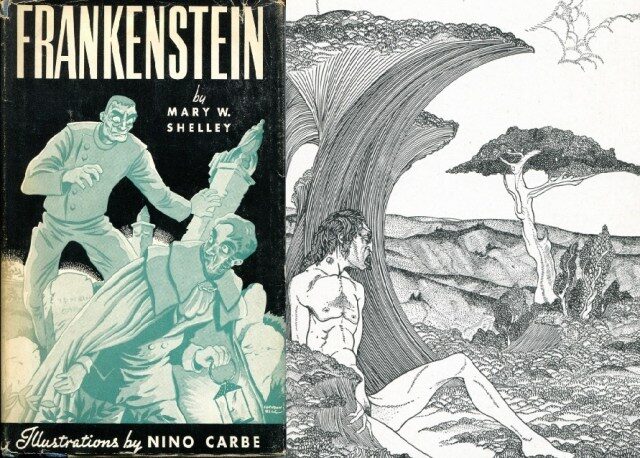
Mary Shelley was born in London on August 30, 1797. In the summer of 1816 she was 18, travelling through Europe with the poet Percy Shelley, who she would marry that December. They spent the summer beside Lake Geneva, where Lord Byron, the most famous poet in Britain, had rented a villa next door. A volcanic eruption in Indonesia the year before had thrown so much dust into the sky that Europe barely had a summer, and the group was stuck indoors by storms. Byron suggested they each write a ghost story. He gave up on his, and so did Percy. Mary’s was about a young scientist who builds a body out of spare parts and switches it on. The thing wakes up stronger and cleverer than he expected, and he cannot control it. She called it Frankenstein. It was published two years later, without her name on it, because nobody would have believed a teenage girl wrote it. Frankenstein is the first science fiction novel ever written. More than a century later, American sci-fi writer Isaac Asimov was writing stories about robots that turn against people, and he gave that fear a name. He called it the Frankenstein complex.
Art of the Week

Yayoi Kusama’s Infinity Mirrored Room — The Souls of Millions of Light Years Away is a box about four metres square, roughly the size of a small bedroom. Every wall and the ceiling are mirrors, and a shallow pool of still water covers the floor and works as one more mirror. Hundreds of small LED lights hang from the ceiling and blink on and off in a slow rhythm. When two mirrors face each other, each one reflects the other’s reflection, over and over, and the picture seems to go on forever. So a few hundred lights become millions, stretching away above you and below you in every direction. Visitors go in one at a time and the door shuts behind them. They get about sixty seconds. The room was made in 2013 and now lives at The Broad museum in Los Angeles, where tickets have to be booked in advance and regularly sell out.
Funny
Q: Why did the scarecrow win an award? A: Because he’s outstanding in his field!
Q: What do you call a deer with no eyes? A: No eye deer (no idea).
Q: What kind of tree fits in your hand? A: A palm tree.
Q: What do you call a sad strawberry? A: A blueberry.
Previous Issues
July 05, 2026, No Vibe-Watching of World Cup
June 28, 2026, A Hot Week for the World Cup and Europe
June 21, 2026, Wonderwall and Other Wonders
Thanks for reading! If you enjoy this newsletter, please share it with friends who might also find it interesting and refreshing, if not for themselves, at least for their kids.
Last modified on 2026-08-30
Perfect for offline reading and printing • 4.0 MB
Download PDF version